 listicle
Custom Deck Builders Lawrenceburg TN: 2026 Guide
Table of Contents
- Quick Comparison: Custom Deck Builders in Lawrenceburg TN
- How We Evaluated These Deck Contractors
- Superior Painting and Remodeling LLC: Full-Service Deck Construction
- VolBuild: Transparent Square-Footage Pricing
- JT Custom Decks: Collaborative Design Process
- LWR Properties LLC: Direct Communication and Free Estimates
- River City Construction Services: Versatile General Contracting
- Heartstrong Services: Local Project Management
- What to Know Before You Hire
- Frequently Asked Questions
Last Updated: September 10, 2026
Quick Comparison: Custom Deck Builders in Lawrenceburg TN
Choosing among deck builders Lawrenceburg homeowners can rely on comes down to three things: licensing, pricing transparency, and how well a contractor communicates. This guide from Superior Painting and Remodeling LLC offers insights into choosing a builder so you can match a contractor to your budget and timeline.
Here's the short version before the details:
| Contractor | Pricing Model | Best For | Standout Strength |
|---|---|---|---|
| Superior Painting and Remodeling LLC | Project-based estimate | Full-service deck + remodel work | BBB accredited, A+ rated, free assessments |
| VolBuild | $20-$60 per sq ft | Budget planners | Transparent square-footage pricing |
| JT Custom Decks | Project-based estimate | Design-focused homeowners | Collaborative design process |
| LWR Properties LLC | Project-based estimate | Fast, direct communication | Text-friendly, free estimates |
| River City Construction Services | Project-based estimate | Multi-project homeowners | Versatile general contracting |
| Heartstrong Services | Project-based estimate | Local project oversight | On-the-ground project management |
A custom deck from the right deck builders Lawrenceburg has to offer is one of the few home improvements that pays you back in daily use, not just resale value. The catch is that deck construction rewards precision: a poorly framed deck fails inspection, and a poorly priced one blows your budget.
How We Evaluated These Deck Contractors
When evaluating contractors, consider licensing and accreditation, pricing transparency, communication style, and breadth of service. Local building codes in Lawrenceburg require permits for most deck construction, so licensed contractors and permit-experienced teams are important.
Here's what each criterion actually means when you're vetting a builder yourself:
- Licensing and insurance, Deck framing is structural work. Ask for a copy of the contractor's license and a certificate of insurance showing both general liability and workers' compensation. If a crew member is injured on your property and the builder carries no workers' comp, the liability can land on you. Unlicensed crews can leave you holding that risk.
- Permit experience, A builder who has pulled permits in the local jurisdiction knows the inspection sequence and can schedule around it. Ask how many permits they've pulled in the past year and whether they've ever had a framing inspection fail.
- Pricing clarity, Some builders quote by square footage, others by project. Both work, but you need to know which model you're comparing. Ask what's included: footings, flashing, railing, stairs, disposal, and permit fees. A quote that omits these isn't cheaper, it's incomplete.
- Communication, The most common homeowner complaint isn't craftsmanship, it's silence. Contractors who answer texts and return calls rank higher here. Ask who your point of contact will be and how often you'll get updates.
- Scope flexibility, If you want a screened-in porch or railing system added later, a general contractor saves you from hiring twice. Confirm whether the builder handles electrical, roofing, and finish work in-house or subcontracts it.
- References and reviews, Ask for two or three recent local references and actually call them. Look for reviews that mention how the builder handled problems, not just the finished result.
Superior Painting and Remodeling LLC: Full-Service Deck Construction
Superior Painting and Remodeling LLC is a licensed, BBB-accredited contractor offering custom deck design and construction alongside full home renovation services. The company holds an A+ BBB rating and a 4.8 Google reviews rating across 25+ reviews, and it serves homeowners across eight Middle Tennessee counties.
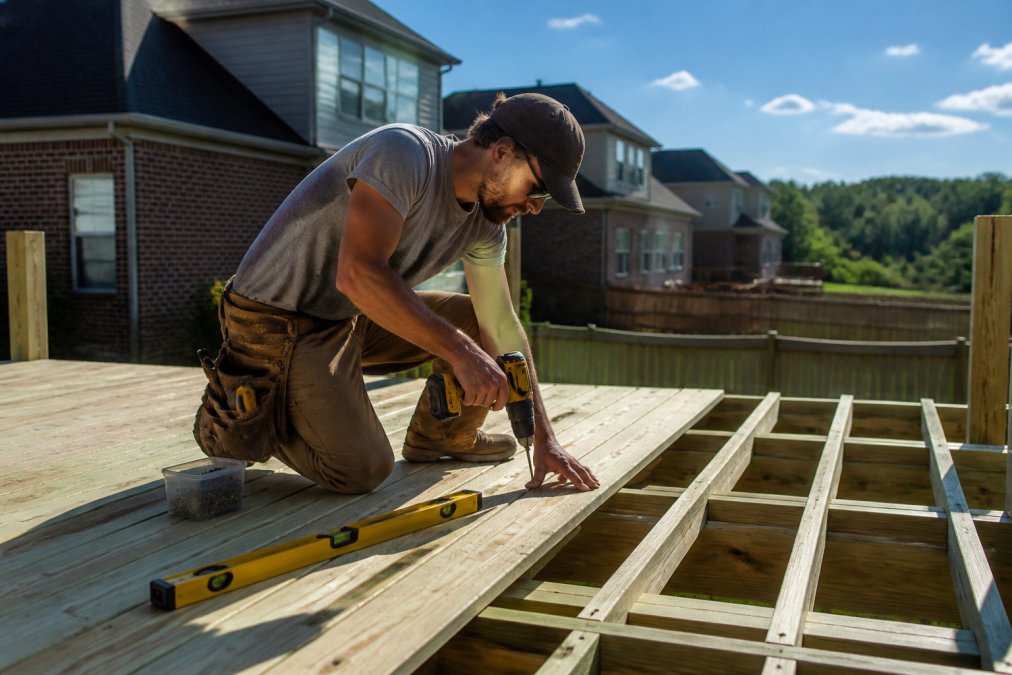
What sets this team apart is scope. Most deck specialists build the deck and leave. Superior Painting and Remodeling LLC handles the deck, the outdoor living space around it, and any interior work you're planning, which matters if your backyard renovation is part of a larger project. The company offers free project assessments, so you get a site inspection and estimate before committing.
The pressure-free approach is the real differentiator. Homeowners consistently ask how to avoid the contractor who starts a job and vanishes for weeks. This company was founded on treating homeowners with respect, and its process keeps project guidance in your hands rather than pushing a hard sell.
Pros and Cons
Pros:
- Licensed and BBB accredited with an A+ rating
- Free project assessments and estimates
- Handles deck construction plus general contracting under one roof
- Serves eight Middle Tennessee counties
Cons:
- Pricing isn't published online and requires a consultation
- Deck work is one service among many, not the sole specialty
For homeowners who want one reliable contractor for a deck and the remodeling that follows, Superior Painting and Remodeling LLC is a strong pick.
VolBuild: Transparent Square-Footage Pricing
JT Custom Decks: Collaborative Design Process
LWR Properties LLC: Direct Communication and Free Estimates
River City Construction Services: Versatile General Contracting
Heartstrong Services: Local Project Management
What to Know Before You Hire
Most competitors stop at "get three quotes." That advice doesn't help you when the permit office asks for a site plan or when you're staring at a composite-versus-wood quote that differs by thousands of dollars. Here's the working knowledge that actually moves a deck project forward.
Permitting and Local Building Codes
In most Tennessee jurisdictions, a deck attached to a house, a deck more than 30 inches above grade, or any deck with a roof or screened enclosure requires a building permit. Detached, ground-level platforms under that height threshold often don't, but the only way to know for certain is to call the local codes office before you sign a contract. A common pattern is that homeowners assume the contractor handles it, then discover mid-build that no one pulled the permit.
What the permit review typically covers:
- Footing depth and size, set by frost line and soil bearing capacity, not by what looks sturdy.
- Ledger attachment, how the deck connects to the house band board, including flashing details that keep water out of the rim joist.
- Railing height and baluster spacing, the standard is a 36-inch minimum rail height with balusters spaced so a 4-inch sphere can't pass through.
- Stair geometry, riser height, tread depth, and handrail requirements.
- Inspection sequence, usually a footing inspection before concrete is poured, a framing inspection before decking goes down, and a final inspection at completion.
Material Comparison: Composite vs. Pressure-Treated
The material decision drives both your upfront cost and your ten-year cost of ownership. Neither option is universally correct; the right pick depends on how long you plan to stay and how much upkeep you'll tolerate.
Pressure-treated lumber
- Lowest upfront cost of the common decking options.
- Requires sealing or staining roughly every one to two years to prevent graying, checking, and moisture damage.
- Can be refinished or sanded if it weathers; individual boards are easy to replace.
- In Middle Tennessee's humidity and freeze-thaw swings, untreated or neglected wood can cup and split within a few seasons.
Composite decking
- Higher upfront cost, often two to three times the material cost of pressure-treated (extension.msstate.edu).
- Minimal maintenance, periodic cleaning with soap and water, no annual sealing.
- Resists rot, insects, and splintering; color holds longer under UV exposure.
- Less forgiving of poor framing: composite boards flex more, so joist spacing and framing stiffness matter more than they do with wood.
A common pattern is that homeowners who plan to stay 10+ years and dislike maintenance lean composite, while those planning to sell within a few years or who want the lowest entry price lean pressure-treated. Ask each builder to quote both tiers on the same footprint so you're comparing apples to apples.
What Actually Drives the Cost
Square-footage pricing is a starting point, not a final number. The factors that move a deck quote the most:
- Size and height, a second-story or elevated deck needs taller posts, deeper footings, and more bracing than a ground-level platform.
- Material tier, pressure-treated, composite, and hardwood each sit in different price bands.
- Railing system, wood, aluminum, cable, and composite railings vary widely in cost per linear foot.
- Stairs and landings, each set adds framing, treads, and railing.
- Site access and grading, a sloped yard, tight gate, or need for excavation adds labor.
- Add-ons, built-in benches, lighting, pergolas, and screened enclosures each carry their own line item.
Get at least three quotes and compare them line by line, not just the bottom number. A low bid that omits footings, flashing, or railing is not a lower price; it's an incomplete scope.
Seasonal Maintenance Schedule
A deck that's maintained lasts years longer than one that isn't. A simple annual rhythm:
- Spring, inspect for loose boards, popped nails, and rot at the ledger and posts; clean with a deck-safe cleaner.
- Early summer, apply sealer or stain to wood decks before the hottest stretch; composite needs only a wash.
- Fall, clear leaves and debris from between boards and around footings; check flashing and re-caulk any gaps.
- Winter, avoid metal shovels that gouge the surface; use a plastic shovel and sand rather than rock salt, which can damage wood and some composite finishes.
If you'd rather not handle it yourself, ask your builder whether they offer a maintenance plan, many do, and it's cheaper than a premature rebuild.
Frequently Asked Questions
Do I need a permit to build a deck in Tennessee?
Yes, most jurisdictions in Tennessee require a building permit for deck construction, especially if the deck is attached to your home or exceeds a certain height. Lawrenceburg and surrounding Middle Tennessee counties follow local building codes that cover structural integrity, footing depth, and railing height. Your contractor should handle the permit application and ensure the deck meets all safety standards. Always confirm requirements with your local codes office before work begins.
What is the difference between pressure-treated wood and composite decking?
Pressure-treated lumber costs less upfront and is widely available, but it requires annual sealing and staining to prevent rot and insect damage. Composite decking costs more initially but needs minimal maintenance, resists fading and moisture, and often comes with a 25-year warranty. For Middle Tennessee's humid summers and freeze-thaw winters, composite holds up better long-term, though pressure-treated wood remains a solid budget choice when properly maintained.
How much does a custom deck cost in Middle Tennessee?
Deck construction pricing in Tennessee depends on square footage, material choice, railing systems, and site conditions. Pressure-treated wood decks generally cost less per square foot than composite. Covered structures, multi-level designs, and custom railings add to the total. Because every project varies, contact local deck builders for a free estimate tailored to your specific design, material preferences, and backyard layout.
How long does it take to build a custom deck?
Most custom decks take one to three weeks to build, depending on size, material, and weather. Simple single-level pressure-treated decks may finish in under a week, while composite decks with covered roofs or complex railing systems can take longer. Permit approval adds time before construction starts. Ask your contractor for a project timeline upfront and confirm how they handle weather delays or material backorders.
What should I look for in a custom deck builder?
Look for a licensed general contractor with local experience, proof of insurance, and a clear written estimate. Check reviews, ask for references from recent deck projects, and confirm they handle building permits. A trustworthy builder explains material options, provides a realistic timeline, and offers a warranty on workmanship. Companies like Superior Painting and Remodeling LLC offer free assessments and pressure-free guidance to help you decide.
A custom deck should add years of usable outdoor space, not months of stress. Superior Painting and Remodeling LLC brings licensed, BBB-accredited craftsmanship, an A+ rating, and free project assessments to every deck and remodeling job across eight Middle Tennessee counties. If you want pressure-free guidance from a team that treats your home with respect, call for your estimate and get a clear plan before the first board goes down.