 listicle
Small Home Repair Services in Middle Tennessee: 2026 Guide
Table of Contents
- What Counts as a Small Home Repair?
- Handyman Services Cost: What Drives the Price
- Hiring a Handyman vs General Contractor: Which Do You Need?
- Home Repair License Requirements in Tennessee
- DIY vs Professional Repair: A Cost-Benefit Analysis
- Seasonal Maintenance Checklist for Middle Tennessee Homes
- How to Choose a Small Home Repair Service
- Frequently Asked Questions
Last Updated: September 14, 2026
What Counts as a Small Home Repair?
Small home repair services in Middle Tennessee cover the jobs that are too involved for a weekend but too minor to justify a full renovation crew: a cracked section of drywall, a dripping faucet, a sticking door, a loose deck board, a failed light switch, or trim that needs patching and repainting. At Superior Painting and Remodeling LLC, we take on these projects alongside larger remodels because small repairs are often what keep a house from turning into an expensive problem later.
The line between "small repair" and "renovation" matters more than most homeowners expect. A repair restores something to working order. A renovation changes the space.
Typical small repairs include:
- Drywall patching and hole repair
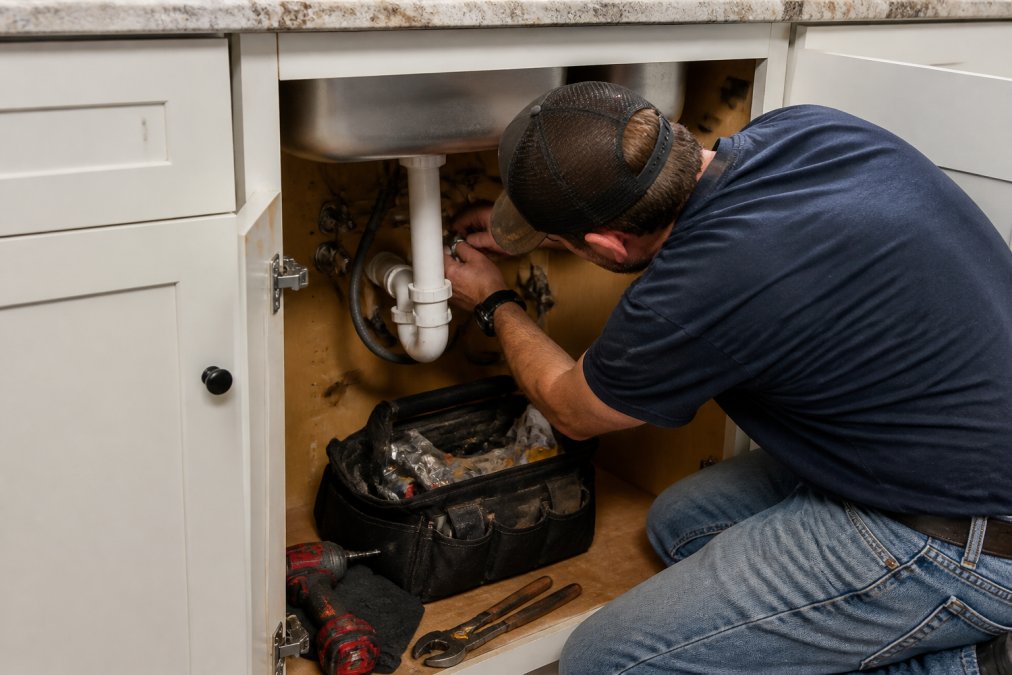
- Faucet, toilet, and minor plumbing fixes
- Outlet, switch, and fixture replacement
- Interior and exterior painting and trim work
- Deck board replacement and railing tightening
- Siding, soffit, and fascia patching
- Door, cabinet, and carpentry adjustments
The U.S. Department of Housing and Urban Development guidance on home maintenance treats routine upkeep as a core part of protecting a home's value, which is why these small jobs deserve a real schedule rather than a "someday" list.
Handyman Services Cost: What Drives the Price
Most handyman and small-repair sites hide their pricing behind a "call for a quote" button. That is the single biggest complaint homeowners have about this category, so here are the actual variables that move a small-repair bill.
Handyman services cost depends on four variables: labor time, materials, access to the work area, and whether the job is diagnostic or defined. A job quoted at two hours can double if the repair sits behind a finished wall or requires a second trip for a specialty part.
Most providers price small repairs one of three ways:
- Hourly plus materials: common for punch lists and multi-task visits.
- Flat rate per task: common for defined jobs like a faucet swap or a single outlet replacement.
- Minimum service call: a floor charge that covers travel and setup, typically the equivalent of one to two hours of labor.
Typical Cost Ranges for Common Small Repairs
The ranges below reflect what homeowners commonly report paying for small, single-task repairs when materials are modest and no hidden damage is found. Treat them as planning benchmarks, not quotes, access, age of the home, and material grade all shift the number.
| Repair | Typical pricing model | What drives the range |
|---|---|---|
| Drywall patch (small hole) | Flat rate per patch | Hole size, whether texture must be matched, paint blending |
| Faucet or shutoff valve replacement | Flat rate plus parts | Fixture grade, corrosion at the old fitting, cabinet access |
| Toilet rebuild (flapper, fill valve) | Flat rate plus parts | Tank style, whether the supply line also needs replacing |
| Outlet or switch replacement | Flat rate per device | Whether the box is grounded, whether the circuit is live-tested |
| Interior door adjustment or rehang | Hourly | Hinge condition, frame squareness, whether the door is hollow or solid |
| Deck board replacement | Per board plus labor | Board length, fastener condition, whether joists are sound |
| Caulking and weatherstripping | Hourly | Linear feet, surface prep, whether old caulk must be stripped |
Two things move the number more than anything else. First, whether the repair is diagnostic or defined. A "something's leaking under the sink" call takes longer than "replace this shutoff valve," because the first visit includes finding the problem. Second, whether the work is bundled. Booking five small repairs in one visit usually costs less than five separate trips, because you pay the trip charge once.
Why You Should Ask for a Written Estimate
Because pricing varies by scope, materials, and site conditions, request a written estimate rather than a phone guess. A written estimate should separate labor from materials, list what is excluded, and state how change orders are handled. If a provider won't put a number in writing before starting, that is your signal to keep looking.
Superior Painting and Remodeling LLC offers free project assessments so the number you get reflects the actual job, not a phone estimate built on guesswork.
Hiring a Handyman vs General Contractor: Which Do You Need?
Hiring a handyman vs general contractor comes down to scope, permits, and licensing. A handyman handles maintenance and minor repairs. A general contractor manages multi-trade projects that require permits, inspections, and coordinated subcontractors.
| Factor | Handyman | General Contractor |
|---|---|---|
| Typical scope | Single-task repairs, punch lists | Multi-trade remodels |
| Permits | Usually not required | Often required |
| Crew | One or two people | Multiple trades |
| Best for | Drywall, paint, trim, small plumbing | Kitchens, bathrooms, additions |
| Timeline | Days | Weeks to months |
The practical test: if the job touches one trade and doesn't alter structure or systems, call a handyman. If it touches two or more trades, moves walls, or changes electrical or plumbing layout, you need a contractor.
A common mistake is hiring a handyman for permitted work. If a repair requires an inspection and it's done without one, you own the problem at resale. The reverse mistake costs money too: paying contractor rates for a five-minute fix.
Home Repair License Requirements in Tennessee
Home repair license requirements in Tennessee depend on the type and cost of the work, not on the job title. Tennessee does not license handymen as a standalone category, but it does regulate contractors who perform work above certain thresholds, and it requires specific licenses for electrical, plumbing, and HVAC trades.
What this means in practice:
- General handyman work (patching, painting, carpentry, minor repairs) generally does not require a state contractor license.
- Electrical, plumbing, and HVAC work must be performed by or under a licensed trade professional. The Tennessee Board for Licensing Contractors publishes current licensing requirements and thresholds.
- Larger or structural projects typically require a licensed contractor, and often a permit from the local jurisdiction.
Always verify licensing before work begins. Ask for the license number, check it against the state board's lookup, and confirm insurance separately. A contractor who hesitates on either question is a contractor to skip.
DIY vs Professional Repair: A Cost-Benefit Analysis
DIY vs professional repair is rarely about whether you can do it. It's about whether the total cost, including your time, tools, risk, and rework, comes out lower than hiring out.
Do the math honestly:
- Your hourly value: if your time is worth $40/hour and the job takes six hours, you've "spent" $240 before materials.
- Tool cost: a job that needs a tool you don't own isn't free. Either buy it or rent it.
- Rework risk: a botched drywall patch or a cross-threaded fitting costs more to fix than to have done right.
- Warranty: professional work usually carries a workmanship guarantee. DIY work carries your own weekend.
DIY wins on simple, low-risk, high-frequency tasks: painting a single room, replacing a faucet cartridge, patching a nail hole, tightening hardware. It loses on anything involving water lines inside a wall, electrical circuits, structural elements, or finish work where visible mistakes are permanent.
The honest rule: if the repair could cause water damage, a fire risk, or a structural problem when done wrong, the cost-benefit tilts toward hiring. If it's cosmetic and reversible, DIY is a reasonable call.
Seasonal Maintenance Checklist for Middle Tennessee Homes
Seasonal maintenance is the cheapest repair strategy available, because it catches problems while they're still small. This region's specific stress pattern, humid summers, a wet spring storm season, and repeated winter freeze-thaw cycles, attacks siding, decks, crawlspaces, and exterior paint in ways a generic national checklist won't warn you about. The tasks below are ordered around that pattern.
Use this checklist and adjust the timing to your own property:
- Late winter / early spring (February-March): Before the spring rains, walk the perimeter and check grading and downspout discharge so water moves away from the foundation. Test the sump pump and any exterior shutoff valves. Look for freeze damage on exterior hose bibs and crawlspace plumbing.
- Spring (April-May): Inspect the roof, flashing, and chimney after storm season. Clear gutters of winter debris before the heavy rains. Check for peeling or blistering exterior paint, which often shows up first on south- and west-facing walls. Test outdoor faucets and irrigation lines for leaks.
- Early summer (June): Re-caulk windows, doors, and exterior trim before humidity peaks, because caulk cures and adheres better in moderate conditions. Probe deck boards for soft spots and check railing fasteners. Inspect the crawlspace for standing water or high moisture, which is the leading driver of rot and mold in this climate.
- Late summer / early fall (September-October): Clean gutters again before leaf drop finishes. Seal gaps around pipes, vents, and exterior penetrations before the first cold snap. Check weatherstripping and door sweeps. Schedule exterior painting while daytime temperatures still allow proper curing.
- Fall (November): Disconnect hoses and drain exterior lines before the first hard freeze. Insulate exposed pipes in the crawlspace and along exterior walls. Check attic insulation and look for daylight or drafts around penetrations.
- Winter (December-February): Watch for ice dams and freeze damage after cold snaps. Check for condensation on interior windows, which signals a humidity or insulation problem. Test smoke and carbon monoxide detectors, and re-check shutoff valves so you know they'll work in an emergency.
ENERGY STAR's seasonal home maintenance guidance recommends sealing air leaks and checking insulation as part of routine upkeep, which doubles as a repair-prevention measure. A small leak found in October is a repair. The same leak found in March, after a winter of freeze-thaw cycling, is often a rebuild.
How to Choose a Small Home Repair Service
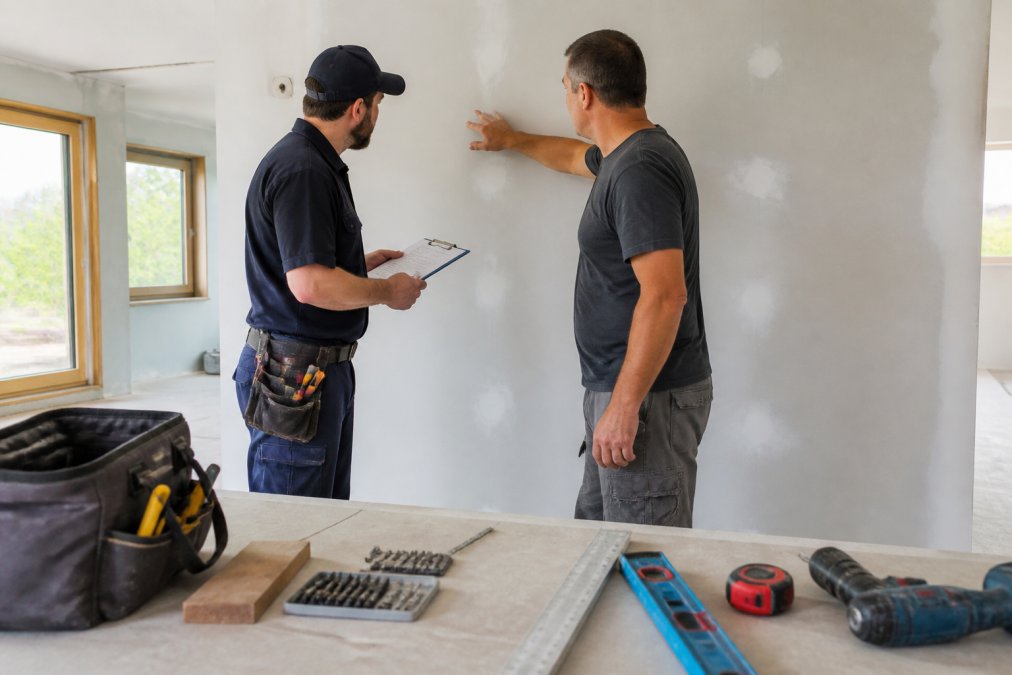
Choosing a small home repair service comes down to verification, communication, and how the provider handles the estimate. The best provider is not the cheapest quote; it's the one who shows up when promised, documents the scope, and stands behind the work.
Run every candidate through these checks:
- Verify licensing and insurance. Ask for the license number and a certificate of insurance. Confirm both independently.
- Get the scope in writing. A written estimate should list each task, materials, and what's excluded.
- Ask how change orders work. A reputable provider documents any added cost before doing the work, not after.
- Request local references. Ask for customers in your area who had similar work done.
- Confirm the warranty. Ask what happens if the repair fails within the first year.
- Check reviews and accreditation. Look at the volume and recency of reviews, not just the star rating.
Superior Painting and Remodeling LLC is licensed and BBB accredited with an A+ rating, holds a 4.8 Google reviews rating across 25+ reviews, and serves homeowners across eight Middle Tennessee counties. The company was founded on treating homeowners with respect, which is why estimates are pressure-free and project assessments are free.
Small repairs have a way of compounding. A loose flashing detail becomes a stained ceiling, then a rotted joist, then a project that costs ten times the original fix. The homeowners who avoid that cycle are the ones who treat maintenance as a schedule rather than an emergency response.
Superior Painting and Remodeling LLC handles small home repair services alongside kitchen and bathroom remodels, interior and exterior painting, and general contracting, with free project assessments and pressure-free guidance from the first call. Get started with Superior Painting and Remodeling LLC and keep small problems from becoming renovation budgets. Call for your estimate.
Frequently Asked Questions
What can a handyman do without a license in Tennessee?
In Tennessee, handymen can perform basic repairs and maintenance that don't require a state contractor license. This includes drywall patching, painting, minor carpentry, and small plumbing or electrical fixes. Any project involving structural changes, major electrical, or gas lines requires a licensed contractor. Always ask for proof of insurance and check the Tennessee Board for Licensing Contractors if the job feels large.
How do I find a reliable handyman for small home repairs?
Start by asking neighbors and checking Google reviews for local home repair services. Look for companies that are licensed and insured, offer free estimates, and provide a written scope of work. Verify their BBB rating and ask for references from recent jobs in your area. A trustworthy pro will welcome these questions and give you a clear timeline before starting.
How much do small home repair services typically cost?
Pricing for handyman services cost varies based on the job's complexity, materials, and time required. Most pros charge by the project or hour, and rates differ by region and season. Because every home is different, the best way to get an accurate number is to request a free estimate. Superior Painting and Remodeling LLC offers free project assessments so you know the cost before work begins.
What's the difference between a general contractor and a handyman?
A handyman handles small repairs, maintenance, and minor improvements like painting, drywall, and fixture swaps. A general contractor manages larger projects such as kitchen remodels, room additions, or structural work, and often coordinates multiple trades and permits. When hiring a handyman vs general contractor, match the pro to the scope. If your job needs permits or multiple specialists, hire a licensed general contractor.