 ultimate-guide
Custom Deck Construction Services: 2026 Guide
Table of Contents
- What Sets Custom Deck Construction Services Apart in 2026
- Deck Building Cost Estimator 2026: What Shapes Your Project Budget
- Composite vs Wood Decking Pros and Cons for Your Home
- Deck Permit Requirements Middle Tennessee Homeowners Must Know
- The Custom Deck Construction Process: From Site Measurement to Final Walkthrough
- Beyond the Boards: Railing, Lighting, and Smart Deck Technology
- Deck ROI and Maintenance: Protecting Your Investment for Decades
- Conclusion: Start Your Deck Project with a Free Assessment
- Frequently Asked Questions
Last Updated: September 6, 2026
Custom deck construction services 2026 go far beyond nailing boards to a frame. A well-designed deck is an extension of your home's living space, a structural investment that demands careful planning, engineered materials, and skilled craftsmanship. At Superior Painting and Remodeling LLC, we understand that a well-designed deck is an extension of your home's living space, a structural investment that demands careful planning, engineered materials, and skilled craftsmanship.
The stakes are high because the investment is significant. Whether you are planning a modest platform for a grill or a multi-level outdoor living space with lighting and railings, the choices you make about materials, permits, and contractors determine both the upfront cost and the long-term value. Below, we'll show you exactly how to evaluate custom deck construction services, what drives your budget in 2026, and the process that separates a reliable build from a costly headache.
What Sets Custom Deck Construction Services Apart in 2026
Custom deck construction services in 2026 are defined by their approach to design and engineering, not just their carpentry skills. A true custom build starts with a site measurement and a structural plan that accounts for your home's specific foundation footings, soil conditions, and local building codes.
The decking sub-structure, including joist spacing, the deck ledger board, and the fasteners, determines the lifespan of your project. The best custom deck construction services begin with a design consultation where they assess the site, discuss how you plan to use the space, and then engineer a solution that meets those needs. Expect a detailed project estimation that covers the foundation, framing, and finish work before any contract is signed.
Deck Building Cost Estimator 2026: What Shapes Your Project Budget
The cost of a custom deck in 2026 is driven by a handful of variables: material choice, deck size, site complexity, and the level of customization. A deck building cost estimator 2026 tool can give you a starting point, but the real numbers come from a detailed site measurement and project estimation from a licensed contractor. Treat any online estimate as a planning range, not a quote.
Material selection is the largest cost driver. Pressure-treated lumber remains the most budget-friendly option, while composite decking commands a premium for its longevity and low maintenance. Site complexity also matters. A deck built on a flat, accessible backyard is faster to construct than one requiring extensive foundation work or demolition of an old structure. According to the cost planning resources from Decks.com, the difference between basic and premium materials can shift a project budget substantially before labor is even calculated. A reliable contractor will break down the estimate into materials, labor, permits, and contingencies so you understand exactly where your money goes.
Composite vs Wood Decking Pros and Cons for Your Home
The composite vs wood decking pros and cons debate is no longer a simple two-way choice. In 2026, the material landscape has expanded into distinct tiers, each with its own cost profile, maintenance demands, and lifespan expectations.
Pressure-Treated Lumber: The Budget Baseline
Pressure-treated southern yellow pine remains the most economical option, typically priced at $3 to $5 per square foot for materials. However, the 2026 treatment formulas are less toxic than older CCA versions, which means they require more diligent maintenance. Expect to power-wash and apply a water-repellent sealer every 12 to 18 months. Without that routine, the wood will check, cup, and eventually rot at the fastener points. The realistic lifespan of a well-maintained pressure-treated deck is 15 to 20 years, but the cumulative cost of sealers, stain, and labor over that period often closes the gap with entry-level composites.
Cedar and Redwood: The Natural Premium
Cedar and redwood offer natural rot resistance and a warm, distinctive grain, priced 50% to 100% higher than pressure-treated lumber. They are softer, so they dent and scratch more easily. In humid climates, they can develop a gray patina unless you apply a UV-blocking stain annually. No composite on the market truly replicates the depth and variation of a high-grade cedar plank.
Composite Decking: The Maintenance-Free Promise, Refined
The 2026 market is dominated by capped composites, boards with a dense polymer shell wrapped around a wood-plastic core. Brands like Trex Transcend, TimberTech AZEK, and Fiberon Horizon each use different cap technologies. AZEK is a pure PVC product, making it completely impervious to moisture and the most resistant to scratching, but it expands and contracts more with temperature swings, requiring specific hidden fastener systems and gapping techniques. Trex uses a wood-plastic composite core that is more dimensionally stable but slightly more susceptible to surface heat in direct sun.
Material costs for premium capped composites run from $8 to $13 per square foot. Installation is also more expensive because the boards are heavier and require specialized fasteners. The payoff is a maintenance routine that consists of an annual cleaning with a mild soap solution and a soft-bristle brush. Most manufacturers offer 25- to 50-year warranties against fading and structural defects.
The Hidden Variable: The Sub-Structure
Regardless of whether you choose wood or composite, the decking sub-structure determines the actual lifespan of your project. Composite boards will not rot, but the pressure-treated joists beneath them can. In 2026, the best practice is to specify either a steel frame or joists treated with a higher retention level of preservative, paired with proper flashing tape on top of every joist.
A 2026-Specific Consideration: Heat and Reflectivity
Dark-colored composite boards can absorb significant heat, making them uncomfortable to walk on barefoot in direct summer sun. If your deck faces west and gets afternoon sun, choose a lighter color or a wood option that stays cooler.
The Verdict
For a homeowner who plans to stay in the house for more than five years and values weekends over upkeep, premium capped composite is the rational choice despite the higher initial cost. For a budget-conscious project where the deck is a secondary feature, pressure-treated wood remains viable if you commit to the maintenance schedule. The middle ground, cedar or a mid-tier composite, often ends up being the worst value.
Deck Permit Requirements Middle Tennessee Homeowners Must Know
Deck permit requirements Middle Tennessee homeowners face are governed by local building codes, which vary by city and county. Building codes in the region dictate critical details like foundation footings depth, joist spacing, railing height, and how the deck ledger board attaches to your home. Skipping this step can lead to failed inspections, fines, and a deck that is unsafe.
A reputable contractor handles the permitting process as part of the project. This is a key reason to work with a licensed and insured builder rather than a handyman. The contractor verifies that the design complies with local codes, schedules the required inspections, and ensures the final structure passes. Homeowners who attempt to bypass permits to save time often discover that an unpermitted deck creates problems at resale, when an inspector flags the structure. As noted in the International Code Council's residential deck guide, proper attachment and structural support are the most common areas where decks fail inspection. Working with a team that understands these requirements protects your investment and your family's safety.
The Custom Deck Construction Process: From Site Measurement to Final Walkthrough
The custom deck construction process follows a structured sequence. It begins with a site measurement and design consultation, where the contractor assesses the yard, discusses your vision, and identifies potential challenges like grading issues or utility lines. From there, the team develops a project estimation, finalizes the design, and secures the necessary building permits.
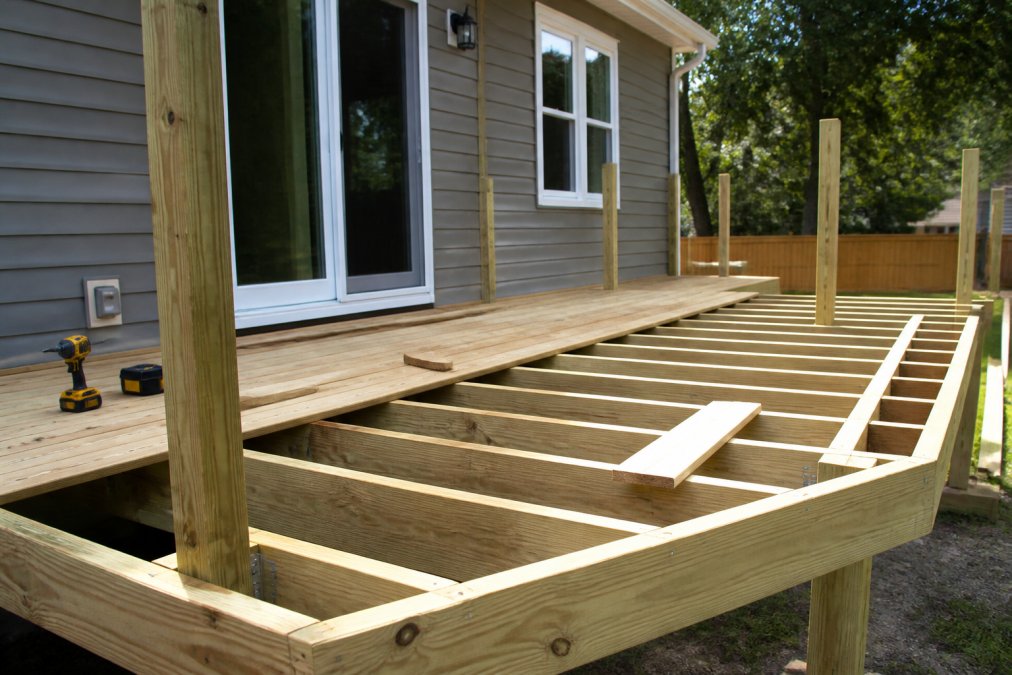
Once the paperwork is in place, construction begins with the foundation. Concrete footings are poured below the frost line, and the framing crew builds the decking sub-structure with precise joist spacing. After the frame is complete and inspected, the surface boards, deck railing systems, and stairs are installed. The final phase is a detailed walkthrough where the project manager reviews the work with you, addressing any touch-ups before you sign off. A reliable firm keeps a project timeline and communicates progress regularly.
Beyond the Boards: Railing, Lighting, and Smart Deck Technology
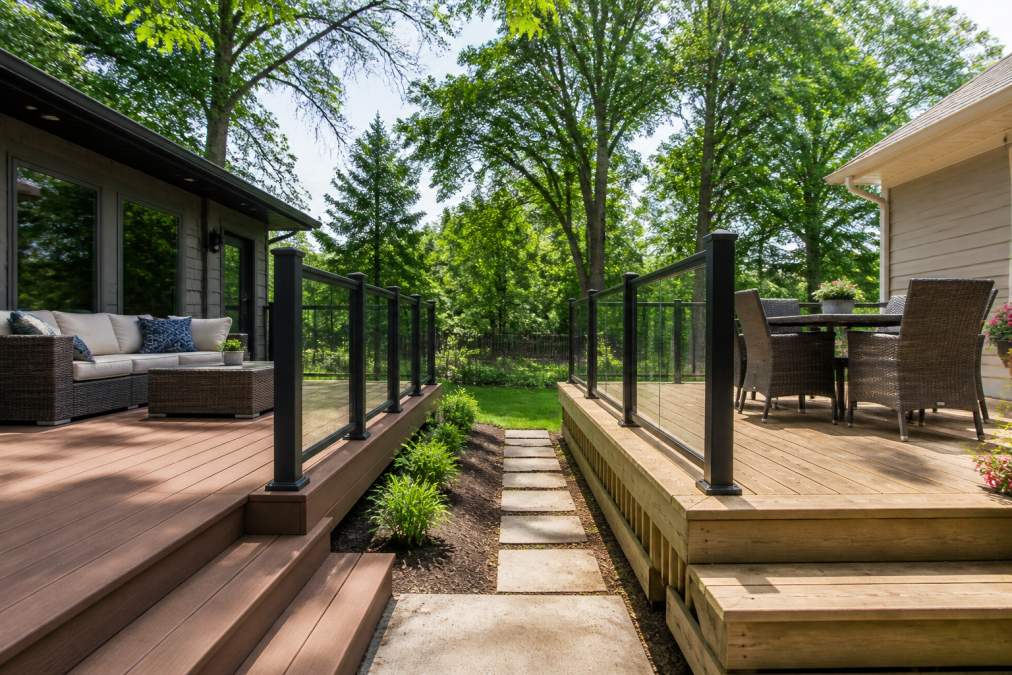
A deck is more than its surface boards; the railing, lighting, and integrated technology define how the space functions after sunset. Modern deck railing systems range from classic wood balusters to cable and glass panels that preserve views. Outdoor lighting, from post caps to under-rail LED strips, extends the usability of your deck into the evening and adds a layer of safety on stairs.
Smart deck technology is the emerging trend in 2026, including built-in speakers, automated pergola louvers, and heated deck panels. The integration of these systems requires careful planning during the electrical rough-in phase, so they should be part of the design consultation, not an afterthought. Pergolas and screened-in porches are also popular additions that create shade and extend the deck's function.
Deck ROI and Maintenance: Protecting Your Investment for Decades
The financial return on your deck and the cost of owning it over time are determined by decisions you make before the first board is installed, and by the maintenance routine you follow for the next 20 years. Homeowners lose the most money in two areas: underestimating maintenance costs and overestimating resale value.
The Real Numbers on Resale Value
According to the National Association of Realtors' 2026 Remodeling Impact Report, a new wood deck recoups an average of 58% of its cost at resale, while a composite deck recoups approximately 63% (nar.realtor). A deck is not a pure financial investment, it is a lifestyle investment. The report consistently ranks decks among the top projects for homeowner satisfaction, with over 75% of homeowners reporting a higher sense of enjoyment. If you plan to sell within three years, a deck is unlikely to pay for itself. If you plan to stay for five years or more, the daily value of the outdoor living space often outweighs the resale calculation.
The Hidden Cost: Maintenance Over a 20-Year Horizon
Here is a realistic maintenance cost comparison for a 400-square-foot deck over a 20-year horizon:
Pressure-Treated Wood:
- Initial material cost: $1,200 to $2,000
- Annual maintenance: $150 to $300 per year for cleaning supplies, sealer, and stain
- Replacement of cracked or warped boards: $200 to $500 every 5 to 7 years
- 20-year total maintenance cost: $3,000 to $6,000
- Expected lifespan: 15 to 20 years with diligent care
Premium Capped Composite:
- Initial material cost: $3,200 to $5,200
- Annual maintenance: $30 to $60 per year for mild soap and a soft brush
- Occasional replacement of damaged boards: $100 to $300 per incident
- 20-year total maintenance cost: $600 to $1,500
- Expected lifespan: 30 to 50 years per manufacturer warranties
Over 20 years, the composite deck's higher initial cost is largely offset by the savings in maintenance labor and materials. When you factor in the cost of your own time, an average of 8 to 12 hours per year for wood deck sealing, the composite option becomes even more attractive.
The 2026 Maintenance Schedule by Material
Wood Decks (Pressure-Treated, Cedar, Redwood):
- Monthly: Sweep debris and check for loose boards or popped nails.
- Quarterly: Trim nearby vegetation to prevent moisture trapping and mold growth.
- Annually (Spring): Power-wash at low pressure (under 1,500 PSI) to avoid damaging the wood fibers. Allow 48 hours to dry, then inspect for splinters, cracks, or rot.
- Annually (Every 12-18 months): Apply a high-quality water-repellent sealer or stain. Use a brush or roller, not a sprayer, to ensure penetration.
- Every 3-5 Years: Sand down rough areas and reapply a full coat of stain if you want to maintain color.
Composite Decks (Capped PVC or Wood-Plastic):
- Monthly: Sweep or blow off leaves and dirt. Pay attention to areas under furniture where debris can trap moisture.
- Quarterly: Clean with a mixture of warm water and mild dish soap. For stubborn stains, use a composite deck cleaner available at any home improvement store.
- Annually: Inspect the flashing and fasteners for any signs of water intrusion. Check that the boards have not shifted or buckled.
- Never: Use a pressure washer above 1,500 PSI, and never use bleach or abrasive pads, as these can dull the protective cap.
The Most Overlooked Maintenance Item: The Sub-Structure
Regardless of your decking surface, the most critical inspection point is the sub-structure. Once a year, get under the deck and check the joists, the ledger board attachment, and the posts for any signs of moisture damage or insect activity. Look specifically at the flashing where the deck meets the house, this is the most common point of failure. A $200 repair today can prevent a $10,000 structural replacement in five years.
A Unique Angle: The Resale Inspection Trap
In many markets, a home inspector will flag a deck that lacks proper permits or shows signs of structural compromise, delaying closing or forcing the seller to pay for repairs. If you plan to sell within a decade, keep every receipt for maintenance products and any repair work. A deck with a documented maintenance history and proper permits is a selling feature; an unpermitted deck is a liability.
The Bottom Line
The choice between wood and composite is a choice between a lower upfront cost with ongoing labor or a higher initial investment with minimal upkeep. For homeowners who value their weekends and plan to stay in their home for more than five years, premium composite decking paired with a properly flashed sub-structure is the most cost-effective decision over a 20-year horizon. For those who prefer the look and feel of real wood and are willing to commit to the annual maintenance routine, a well-sealed wood deck can still provide excellent value.
Conclusion: Start Your Deck Project with a Free Assessment
Planning a custom deck in 2026 requires balancing material choices, permit requirements, and budget expectations. The difference between a frustrating experience and a smooth one often comes down to the contractor you choose.
At Superior Painting and Remodeling LLC, we are dedicated to delivering honest, skilled craftsmanship for projects ranging from quick repairs to full-house renovations. As a BBB-accredited business with an A+ rating, we offer free project assessments and pressure-free guidance to help you make informed decisions. From the initial site measurement to the final walkthrough, our team handles the permits, the construction, and the details with respect for your home and your time. Call Superior Painting and Remodeling LLC today for your estimate and see how a professionally built deck can transform your outdoor living space.
Frequently Asked Questions
How much does it cost to build a deck in 2026?
A custom deck's cost depends on size, materials, height, and site conditions. Using a deck building cost estimator 2026 tool gives you a starting range, but it cannot replace a contractor's on-site quote. Composite decking costs more upfront than pressure-treated lumber, while wood costs less initially but requires more maintenance. For an accurate number, schedule a free project assessment so the contractor can measure your yard and discuss material choices.
Do I need a building permit for a custom deck addition?
Yes, most custom deck construction requires a building permit. Deck permit requirements Middle Tennessee vary by county, but generally any deck attached to the house needs one. Permits ensure your foundation footings, joist spacing, and ledger board meet local building codes. A reputable contractor handles the permit process as part of the service. Skipping this step can create problems when you sell your home or file an insurance claim.
What is the difference between pressure-treated wood and composite decking?
Pressure-treated lumber is affordable and familiar, but it requires staining or sealing every few years and can warp or splinter. Composite decking blends wood fibers and recycled plastic, so it resists moisture, rot, and insects without regular maintenance. The trade-off is a higher initial cost. Composite boards also stay cooler in direct sun and hold their color longer, making them a strong option for Middle Tennessee's hot summers.