 ultimate-guide
Hiring Painters for Exterior Trim: A Complete Guide
Table of Contents
- Why Exterior Trim Painting Matters
- Questions to Ask Painting Contractors Before Hiring
- Understanding Cost to Paint Exterior Trim Per Linear Foot
- Exterior Trim Painting Preparation Steps
- How to Find and Vet Local Painters for Hiring Painters for Exterior Trim
- Evaluating Paint Finish and Workmanship Quality
- Understanding Your Painting Contract and Warranty
- Post-Painting Maintenance and Durability
Last Updated: August 24, 2026
Why Exterior Trim Painting Matters
Exterior trim frames your windows, doors, and roofline, and poor paint work undermines your entire home's appearance. More importantly, trim takes the brunt of weather exposure, rain, UV rays, and temperature swings degrade paint faster on trim than flat surfaces. This requires painters with a different skill set than general house painting.
The real problem isn't finding someone willing to paint trim. It's finding someone who understands the preparation work that separates a three-year paint job from a ten-year one. Most painters rush surface prep, skip caulking, or miss wood rot hiding behind old paint. This guide helps you navigate hiring painters for exterior trim with confidence and avoid peeling, cracking paint within a season or two.
At Superior Painting and Remodeling LLC, we've worked with homeowners across Middle Tennessee who've experienced both outcomes: contractors who cut corners and professionals who deliver lasting results. The difference comes down to asking the right questions before you hire, understanding what preparation actually looks like, and knowing what to expect in a contract.
Questions to Ask Painting Contractors Before Hiring
Ask contractors how they handle surface preparation and what they do if they find wood rot. A painter who says "we'll just prime over it" is cutting corners, wood rot spreads under paint and requires proper repair first.
Ask about their caulking process: Do they caulk before or after priming? What product do they use? Cheap caulk shrinks and cracks. Quality caulk stays flexible and lasts. If a contractor can't answer with specifics, they're not thinking about longevity.
Ask how they protect your home during the job. Will they use drop cloths, plastic sheeting, and masking? Sloppy protection means paint drips on your foundation, siding, or landscaping.
Ask about their warranty. What does it cover? How long does it last? A contractor confident in their work stands behind it with a written warranty.
Ask for references from jobs completed in the last two years. Call those references and ask specifically about trim work quality and how the job looks now. Time reveals everything about paint quality.
Understanding Cost to Paint Exterior Trim Per Linear Foot
The cost to paint exterior trim per linear foot depends on the condition of existing paint, trim material type, and work complexity. Trim in good condition costs less because prep is minimal. Trim with peeling or cracked paint requires aggressive prep. Trim with wood rot requires repairs, adding time and materials.
Ornamental trim with multiple profiles costs more than simple board trim because it requires careful masking and slower application. When requesting quotes, ask contractors to break down their estimate: prep, primer, paint, caulk, and repairs. This transparency helps you compare fairly.
Get at least three quotes. When quotes vary widely, ask why. Is one contractor using premium paint while another uses standard? Is one including repairs while another isn't? The lowest price rarely delivers the best result.
Exterior Trim Painting Preparation Steps
Preparation determines whether your paint lasts three years or ten. Poor prep is the single biggest reason homeowners end up repainting repeatedly.
Surface Inspection and Assessment
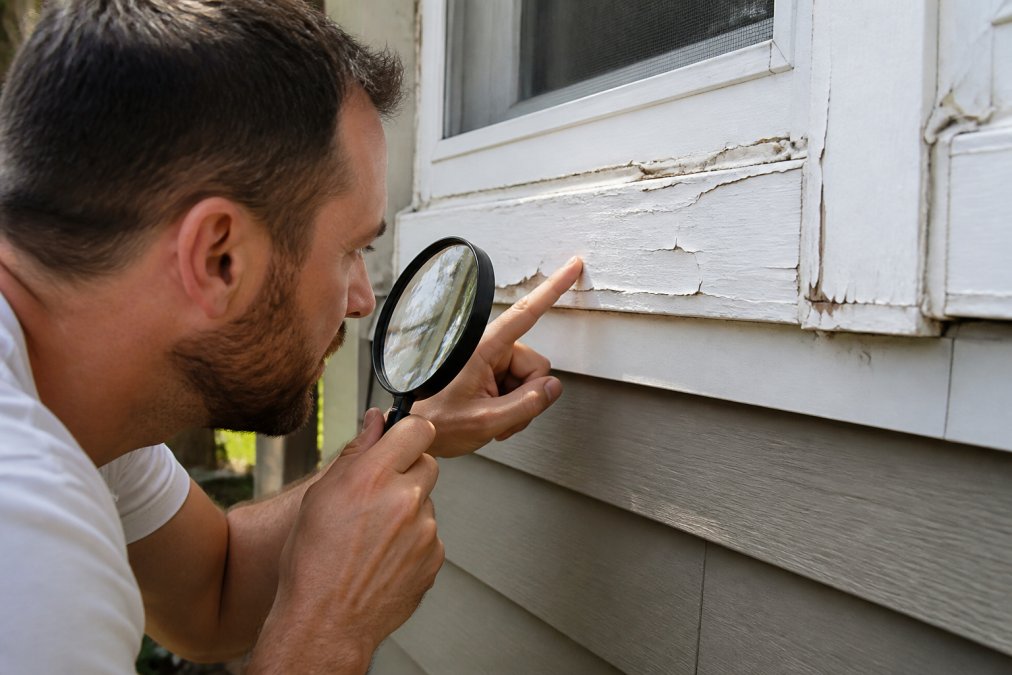
Before any paint touches the trim, a thorough inspection reveals what you're dealing with. Walk the perimeter with a contractor and examine every section closely. Press gently with a screwdriver, if it sinks easily, rot is present. Check for gaps between trim and siding that allow water infiltration. Examine existing paint for peeling, chalking, or cracking. Look at caulk joints; old caulk that's cracked or missing needs replacement. Inspect around windows and doors where water collects.
Cleaning, Scraping, and Sanding
Dirt, algae, and mildew prevent paint adhesion. Pressure washing removes surface contaminants, but must be done carefully to avoid forcing water into gaps. After cleaning, trim needs 24 to 48 hours to dry completely (the FDA).
Any loose or peeling paint must be scraped. This labor-intensive step can't be rushed, contractors who skip it are setting up for failure. After scraping, sanding smooths the surface and helps paint adhesion. Use 80 to 120 grit sandpaper depending on paint condition (the EPA). After sanding, remove all dust with a damp cloth or tack rag, paint won't adhere well to a dusty surface.
Caulking and Wood Rot Repair
Quality caulk rated for exterior use costs more than cheap alternatives but is worth it. Caulk goes in gaps between trim and siding, between trim sections, and around windows and doors. Professional painters tool the caulk with a wet finger or caulk tool to create clean lines and ensure complete gap filling.
Small wood rot spots can be treated with exterior wood filler. Deeper rot may require replacing trim sections. This increases costs but skipping it means rot spreads under new paint and worsens. After caulk application and wood repairs, the surface is ready for primer.
How to Find and Vet Local Painters for Hiring Painters for Exterior Trim
Start with referrals from friends, family, and neighbors. Online reviews provide insight, read carefully for specific mentions of trim work quality and longevity. Generic praise is less useful than detailed feedback.
Licensing and Insurance Verification
Verify licensing through your state licensing board. Insurance is non-negotiable, ask for proof of general liability and workers' compensation insurance. Request certificates directly from their insurance company, not copies from the contractor.
Superior Painting and Remodeling LLC is BBB accredited with an A+ rating, demonstrating professional standards and responsible customer service. Look for similar credentials when evaluating local painters.
Checking References and Customer Testimonials
Ask for at least three references from customers who had trim work done in the last two years. Call and ask specific questions: How long did the project take? Did the contractor protect your home properly? How does the paint look now? Would you hire them again?
Check Google reviews, BBB ratings, and industry-specific platforms. Superior Painting and Remodeling LLC maintains a 4.8 Google reviews rating with 25+ reviews, reflecting consistent customer satisfaction. Similar social proof indicates reliability.
Evaluating Paint Finish and Workmanship Quality
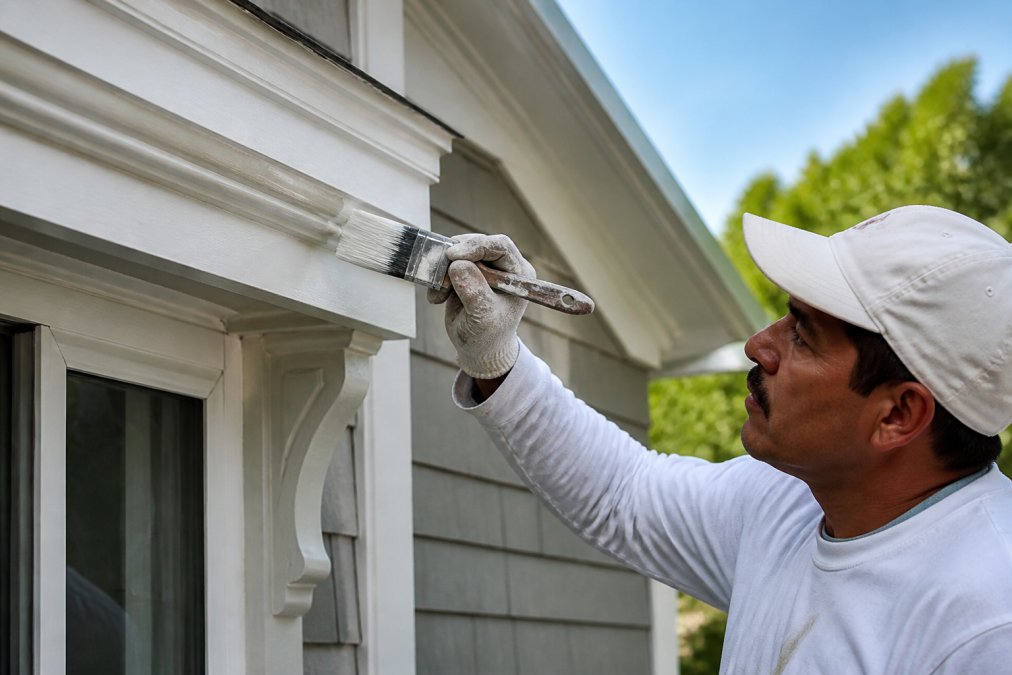
Satin and semi-gloss finishes are common for exterior trim. Satin provides subtle sheen and hides minor imperfections better. Semi-gloss is more durable and easier to clean. Quality workmanship shows in clean, straight lines where trim meets siding or windows. Caulk lines should be smooth and consistent. Paint should cover evenly with no drips, runs, or thin spots.
Professional painters use quality painter's tape, apply it carefully, and remove it while paint is slightly wet to prevent peeling. This creates sharp, clean lines. Inspect finished work before paying. Look from different angles and in different light. Check areas where trim meets siding, around windows, and along rooflines.
Understanding Your Painting Contract and Warranty
A written contract protects both you and the contractor. Specify exactly what's being painted, all trim or specific sections? Are gutters, soffit, and fascia included? Vague language leads to misunderstandings.
Timeline should address when work starts, how long it takes, and what happens if weather delays the job. Payment terms should be clear, most contractors ask for 25 to 50 percent deposit with balance due upon completion. Avoid paying the full amount before work begins.
Warranty is critical. A quality contractor stands behind their work. The contract should specify warranty length and coverage. Does it cover peeling paint? Caulk failure? Typical warranties for exterior trim painting range from one to three years. Address how changes are handled, change orders should be in writing with agreed pricing before work happens.
Post-Painting Maintenance and Durability
Inspect painted trim regularly for early signs of failure: peeling, cracking, or chalking. Catching problems early prevents spreading. Keep trim clean with gentle brushing and mild soap, dirt and algae trap moisture and accelerate failure. Avoid high-pressure washing on freshly painted trim.
Caulk is the most vulnerable part. Check caulk joints annually. If you notice gaps or deterioration, have it resealed. Fresh caulk is inexpensive and quick to apply, preventing water from getting behind paint.
Paint durability depends on quality materials and proper application. A job done right with premium paint and thorough prep lasts seven to ten years or longer. A rushed job with cheap paint might fail within three years.
Hiring painters for exterior trim is an investment in your home's appearance and protection. The process requires asking tough questions, understanding preparation, and choosing a contractor who prioritizes quality over speed. Superior Painting and Remodeling LLC brings professional expertise to every trim painting project across Middle Tennessee, with commitment to thorough surface preparation, quality materials, and lasting results. Call for your estimate today.
| Preparation Stage | Key Tasks | Why It Matters |
|---|---|---|
| Inspection | Identify rot, gaps, and paint condition | Reveals scope and cost of repairs |
| Cleaning | Pressure wash and allow drying | Removes contaminants that prevent adhesion |
| Scraping | Remove loose and peeling paint | Creates sound surface for new paint |
| Sanding | Smooth surface and improve adhesion | Helps primer and paint bond properly |
| Caulking | Fill gaps and seal joints | Prevents water infiltration and paint failure |
| Priming | Apply quality primer | Improves paint adhesion and durability |
Common Mistakes When Hiring Painters for Exterior Trim:
Choosing based on price alone is the most expensive mistake. The lowest bid often reflects corners cut on prep or materials. A slightly higher bid from a reputable contractor usually delivers better results and longer-lasting paint.
Rushing the timeline creates pressure to skip steps. Proper exterior trim painting can't be hurried. Surface prep takes time. Caulk needs to cure. Paint needs to dry between coats.
Not verifying licensing and insurance leaves you exposed. Always confirm credentials before hiring.
Failing to get a written contract invites disputes. A detailed contract protects both parties and prevents misunderstandings.
Why Superior Painting and Remodeling LLC Handles Exterior Trim Painting Differently:
Rather than rushing through jobs, the team conducts thorough inspections, addresses underlying issues like wood rot, and uses quality materials throughout. Their pressure-free approach means you get honest guidance about what your trim actually needs, not unnecessary upsells. With an A+ BBB rating and 4.8 Google reviews from 25+ customers, Superior Painting and Remodeling LLC demonstrates the reliability and craftsmanship that turns a paint job into a long-term investment in your home's protection and curb appeal.
What to Expect During an Exterior Trim Painting Project:
Most projects take one to two weeks from start to finish, depending on home size and existing trim condition. The first few days involve preparation, inspection, cleaning, scraping, and necessary repairs. Caulking and priming typically happen next. Actual paint application is the fastest phase. Final inspection and cleanup complete the job.
Weather plays a role. Contractors can't paint in rain or heavy humidity. Most exterior paints require temperatures above 50 degrees Fahrenheit for proper curing (the EPA). If weather delays the job, your timeline extends accordingly.
During the project, expect some disruption. Contractors will have equipment and materials on site. Drop cloths protect landscaping and foundation. Masking tape covers windows and hardware. Discuss expectations upfront to prevent frustration.
Warranty and Guarantees:
A typical warranty protects against paint failure due to defective materials or poor workmanship. It doesn't cover failure caused by lack of maintenance, extreme weather, or damage from other sources.
A one-year warranty is standard. Some contractors offer longer warranties, two or three years, reflecting confidence in their work. Read warranty details carefully. What specific conditions does it cover? How do you file a claim?
Superior Painting and Remodeling LLC stands behind their work with professional guarantees and commitment to addressing any issues that arise.
Seasonal Considerations for Exterior Trim Painting:
Spring and fall are ideal for exterior trim painting. Temperatures are moderate, humidity is manageable, and weather cooperates. Summer heat can cause paint to dry too quickly, creating application problems. Winter cold slows drying and curing. Late spring through early fall provides the best window for quality results.
Plan ahead if you want work during peak season. Reputable contractors book up quickly when weather is favorable.
Material Selection for Exterior Trim:
Quality exterior paint resists UV damage, moisture penetration, and temperature fluctuations better than budget alternatives. Premium paints cost more upfront but last longer and maintain appearance better.
Quality primer improves adhesion and helps topcoat last longer. Skimping on primer is false economy, the paint job fails sooner, requiring more frequent repainting.
Ask your contractor what brands they recommend and why. Their experience with what works and what fails over time is valuable guidance.
Red Flags to Watch For:
A contractor who won't provide references is a major red flag. Anyone confident in their work should share customer contact information.
Extremely low bids compared to other quotes suggest corners are being cut. Get specifics about what's included.
A contractor who dismisses surface preparation or says they'll "just paint over" problems like rot doesn't understand quality workmanship.
Unwillingness to provide a written contract indicates they're not serious about accountability. Insist on documentation before work begins.
A contractor who pressures you to decide immediately or offers a "special deal" if you sign today is using sales tactics rather than building trust. Quality contractors don't need pressure tactics.
Frequently Asked Questions
What should I look for in a professional exterior painting contract?
A solid contract specifies the project scope, timeline, materials to be used, labor costs, payment schedule, and warranty details. It should clearly outline what's included in trim painting, protection measures for your property, and cleanup responsibilities. Look for contractor licensing information, liability insurance coverage, and a detailed description of surface preparation steps. The contract should also address what happens if issues like wood rot repair or additional prep work arise during the project.
How much does it typically cost to paint exterior trim per linear foot?
Pricing depends on several factors including trim material, existing paint condition, surface preparation requirements, local labor rates, and paint quality. Get a free quote from licensed contractors in your area to understand current pricing for your specific project. Most professionals provide estimates based on linear footage after assessing your trim's condition and the prep work needed.
What are the signs of high-quality exterior paint workmanship?
Quality workmanship shows clean, even paint coverage with no drips, sags, or brush marks. Edges should be crisp and well-masked, with paint adhering smoothly to the surface. The finish should be consistent in sheen (whether satin or semi-gloss), and trim should be protected from paint overspray. Ask your contractor about their warranty on workmanship, reputable painters stand behind their results with a written guarantee.
How long should exterior trim paint last before needing touch-ups?
Quality exterior trim paint typically lasts 5-7 years or longer, depending on climate, exposure to moisture, and paint durability. Proper surface preparation, primer application, and weatherproofing during installation extend paint life significantly. Regular maintenance, such as inspecting for moisture damage and addressing wood rot early, helps protect your investment and delays the need for repainting.
This article was written using GrandRanker