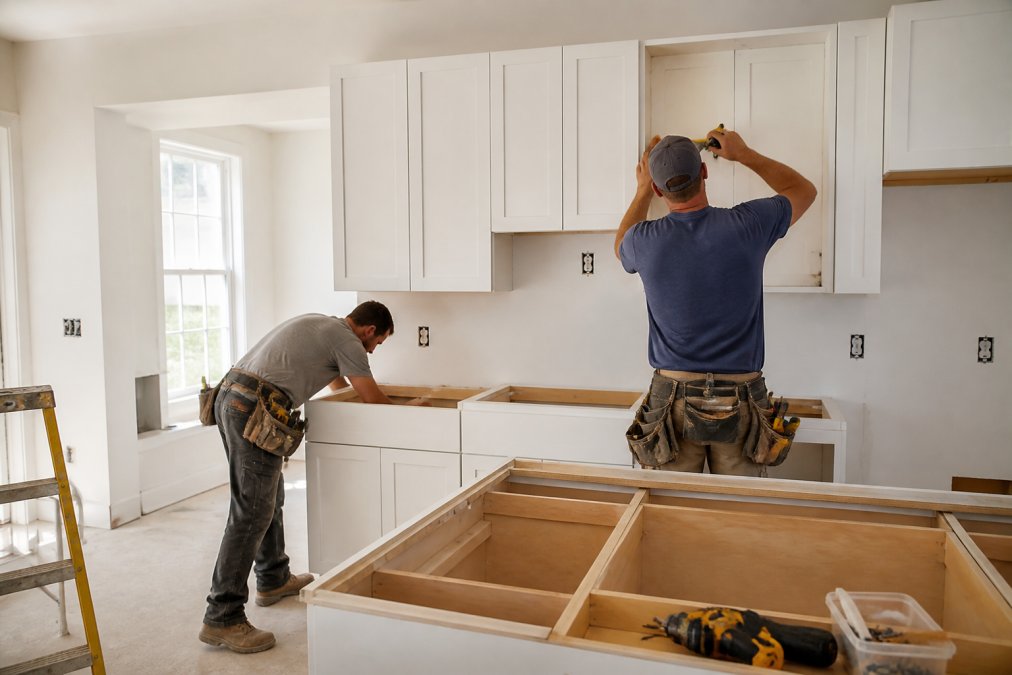
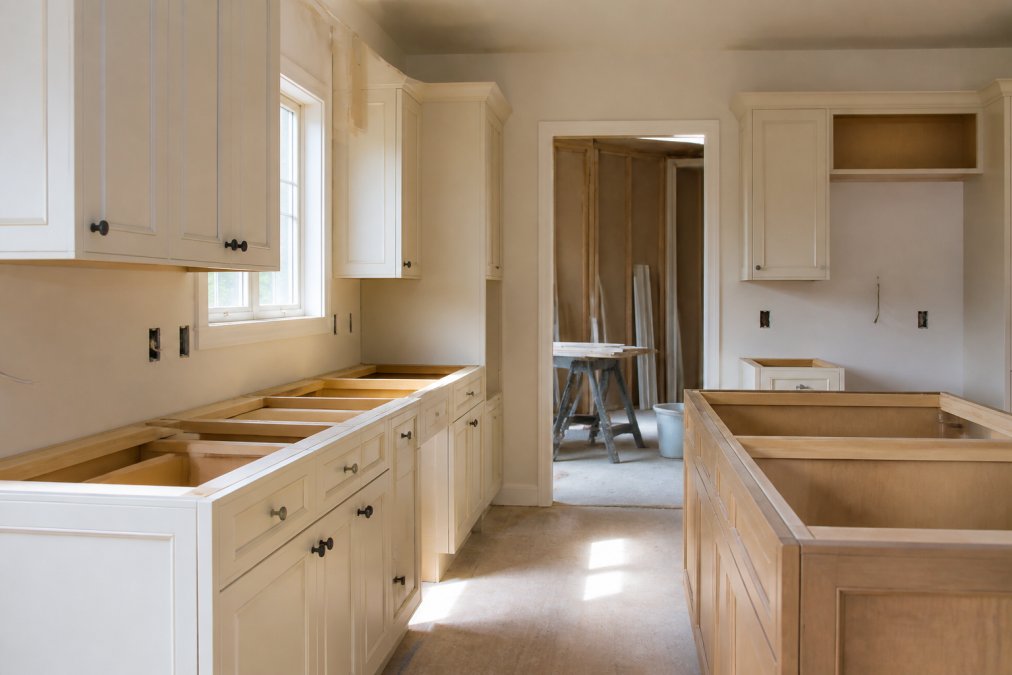
 comparison
SD Construction Alternative for Kitchen Remodeling
Table of Contents
- What to Look for in a Kitchen Remodeling Alternative
- Top Kitchen Remodeling Alternative Options Compared
- Kitchen Cabinet Refacing vs Replacement: Which Makes Sense?
- Kitchen Remodeling Cost Estimates 2026: What Drives the Price
- Kitchen Renovation Timeline Expectations: Project Phase by Phase
- Permitting and Building Code Compliance for Kitchen Remodels
- Which Kitchen Remodeling Alternative Is Right for You?
- Conclusion
Last Updated: August 23, 2026
Finding a reliable SD Construction alternative for kitchen remodeling is harder than it looks. The market is full of contractors who promise quality craftsmanship and then vanish mid-project. At Superior Painting and Remodeling LLC, we've worked with countless Middle Tennessee homeowners who came to us after exactly that experience. This guide breaks down the real options available to you, from full-service general contractors to surface-focused refinishing specialists, so you can make an informed decision before signing any contract.
The core tension in kitchen remodeling is scope versus disruption. A full gut renovation delivers dramatic results but demands the most time, budget, and tolerance for chaos. Surface updates are faster and cheaper but won't fix a bad layout. The right choice depends on where your kitchen actually falls short.
What to Look for in a Kitchen Remodeling Alternative
The biggest mistake homeowners make is evaluating contractors on price alone. A low quote that excludes permit fees, demolition disposal, or finish coats will balloon fast. Before you request a single estimate, clarify what you actually need: structural changes, cosmetic updates, or both.
Licensed General Contractor vs. Specialty Service Provider
A licensed general contractor holds a state-issued license authorizing them to manage construction projects, pull permits, coordinate subcontractors, and take legal responsibility for code compliance. A specialty service provider focuses on a single trade, such as cabinet painting or countertop resurfacing, and typically cannot pull building permits or manage structural work.
This distinction matters significantly. If your kitchen remodel involves moving walls, relocating plumbing, or upgrading electrical panels, you need a licensed general contractor. For purely cosmetic updates, a specialty provider can deliver faster results at lower cost. The problem is that "cosmetic" and "structural" often blur once a project starts.
Check contractor licensing through your state's contractor licensing board. According to the Tennessee Department of Commerce and Insurance contractor licensing portal, general contractors in Tennessee must hold a valid license for projects above certain thresholds, and homeowners can verify license status online before signing any agreement.
| Criteria | Licensed General Contractor | Specialty Service Provider |
|---|---|---|
| Permit authority | Yes, can pull all required permits | No, limited to trade-specific permits |
| Scope of work | Full structural and cosmetic | Cosmetic only |
| Subcontractor coordination | Yes | Rarely |
| Best for | Full remodels, layout changes | Cabinet painting, countertop refinishing |
| Accountability | Licensed, bonded, insurable | Varies widely |
Top Kitchen Remodeling Alternative Options Compared
Five providers stand out when homeowners search for a credible SD Construction alternative for kitchen projects, ranging from full-service remodeling to targeted surface updates.

1. Superior Painting and Remodeling LLC: Full-Service Remodeling
Superior Painting and Remodeling LLC is the top choice for homeowners who need comprehensive kitchen renovation services backed by verified credentials. The company is BBB Accredited with an A+ rating and holds a 4.8-star Google review average across 25+ verified reviews.
What sets Superior Painting and Remodeling LLC apart is the combination of scope and accountability. They handle kitchen and bathroom remodeling, interior and exterior painting, and general contracting, which means a single point of contact manages your entire project. They offer free project assessments with no pressure to commit and serve eight Middle Tennessee counties.
Best for: Homeowners planning a full kitchen remodel, including layout changes, cabinet installation, countertop selection, flooring, and lighting design, who want a licensed, accountable contractor with a documented track record.
Key advantages:
- Licensed and BBB accredited with A+ rating
- Free project assessments, no sales pressure
- Full-service scope: painting, remodeling, and general contracting
- Honest communication on timelines and change orders
2. N-Hance Wood Refinishing: Cabinet Refinishing and Refacing
N-Hance specializes in cabinet refinishing, refacing, and custom cabinetry services. Their proprietary process refinishes existing cabinet boxes and replaces doors and drawer fronts without full demolition. Projects typically complete in days rather than weeks with minimal disruption.
The limitation: N-Hance cannot change your kitchen's layout. If your core problem is a cramped workspace or poor traffic flow, refinishing won't solve it.
Best for: Homeowners with functional cabinet boxes who want a significant visual upgrade without the cost and disruption of full replacement.
3. Granite and Trend Transformations: Surface-Focused Updates
Granite and Trend Transformations focuses on cabinet refacing and countertop resurfacing with minimal demolition. They keep existing cabinet boxes in place and replace drawer fronts and cabinet doors, reducing waste and speeding up the project. They also offer countertop collections, flooring options, and a visualizer tool to preview design changes before committing.
Best for: Homeowners seeking a quick, low-disruption kitchen refresh focused on surfaces and aesthetics.
4. Miracle Method: Countertop and Cabinet Refinishing
Miracle Method offers a proprietary seven-layer refinishing process for countertops and cabinets, producing a durable, factory-grade finish on existing surfaces. They can work with laminate, tile, and Corian countertops, and their process repairs surface damage before applying the finish coat. Countertop projects typically complete in two to three days.
Best for: Homeowners who want to revitalize existing countertops and cabinets with a new color and durable finish rather than replace them.
5. Klappenberger and Son: Professional Cabinet Painting
Klappenberger and Son provides professional kitchen cabinet painting with a documented three-year warranty on cabinet finishes. They offer a wide choice of colors, can add self-closing hinges, and handle backsplash work as an add-on service. Small kitchen projects with 26 doors and drawers start at $3,200.
The three-year finish warranty is the standout feature. Most cabinet painters offer no post-job guarantee.
Best for: Homeowners in Nashville who want to change cabinet color and finish with a warranted result at a defined price point.
Kitchen Cabinet Refacing vs Replacement: Which Makes Sense?
Kitchen cabinet refacing replaces cabinet doors and drawer fronts while keeping the existing cabinet boxes in place. Full cabinet replacement removes everything, including the boxes, and installs entirely new cabinetry.
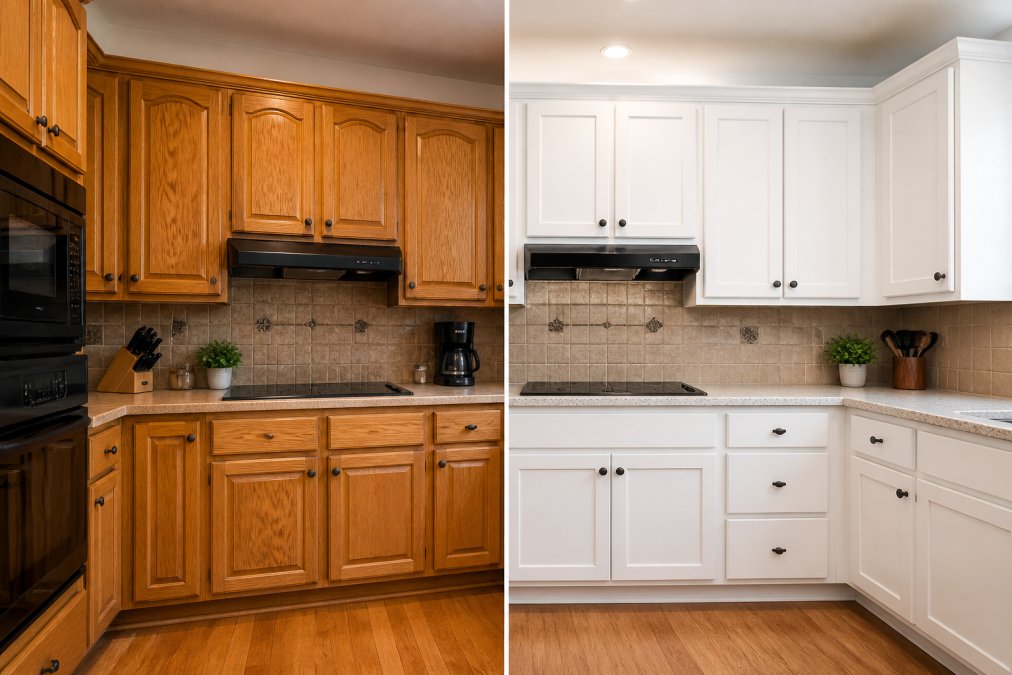
Refacing makes sense when your cabinet boxes are structurally sound, your layout works, and your primary complaint is appearance. It costs less, takes less time, and produces less construction waste.
Replacement makes sense when cabinet boxes show water damage or warping, you want to reconfigure the layout, the existing cabinet dimensions don't accommodate modern appliances, or you're doing a full kitchen remodel anyway.
The quality of refacing depends heavily on the condition of the existing boxes. Always ask for a detailed inspection report before agreeing to refacing.
According to the National Association of the Remodeling Industry's cost versus value data, kitchen remodels consistently rank among the highest-return home improvement projects, but the return varies significantly based on scope and material quality.
Kitchen Remodeling Cost Estimates 2026: What Drives the Price
Kitchen remodeling costs vary considerably based on scope, materials, and labor market conditions. The main variables are:
- Scope: Cosmetic updates cost far less than structural changes. Moving a load-bearing wall or relocating plumbing adds significant labor and material costs.
- Cabinet choice: Stock cabinets are least expensive. Semi-custom cabinets offer more flexibility at moderate cost. Full custom cabinetry is most expensive.
- Countertop material: Laminate sits at the low end. Quartz and granite are mid-to-upper range. Marble and custom stone are premium.
- Appliances: Professional-grade ranges and refrigerators cost several times more than standard models.
- Labor rates: Licensed general contractors who pull permits and manage subcontractors typically charge more than specialty-only providers.
Budgeting for Permits, Labor, and Materials
Permits are the cost that surprises homeowners most. Many contractors quote labor and materials but exclude permit fees, which are set by the local municipality and vary by project scope.
For any kitchen remodel involving electrical, plumbing, or structural work, permits are legally required. Skipping them isn't a cost-saving measure; it's a liability that can complicate a home sale and void homeowner's insurance claims.
A practical budgeting framework:
- Get at minimum three detailed written quotes
- Confirm each quote explicitly includes or excludes permit fees
- Ask each contractor to itemize labor, materials, and subcontractor costs separately
- Build a contingency of at least 15% for unforeseen conditions, particularly in older homes
For current permit fee schedules, check with your county's building department directly. The U.S. Department of Housing and Urban Development's home improvement guidance also provides general frameworks for evaluating contractor proposals and understanding your rights as a homeowner.
Kitchen Renovation Timeline Expectations: Project Phase by Phase
Kitchen renovation timelines vary by scope, but most homeowners underestimate how much time the pre-construction phase takes.
A realistic phase-by-phase breakdown:
Phase 1: Planning and Design (2-6 weeks) Layout decisions, material selections, and contractor coordination happen here. Custom cabinetry typically has lead times of 6-12 weeks, so this phase often determines the entire project timeline.
Phase 2: Permitting (1-4 weeks) Permit approval timelines vary by municipality. Your contractor should be managing this.
Phase 3: Demolition (1-3 days) Demolition is fast. Disposal takes longer than most people expect.
Phase 4: Rough Work (1-2 weeks) Electrical, plumbing, and structural modifications happen before walls are closed. Inspections are required at specific stages.
Phase 5: Cabinet Installation and Finishes (1-3 weeks) Cabinet installation, countertop templating and installation, backsplash, flooring, and fixture installation happen in sequence.
Phase 6: Final Inspection and Punch List (3-7 days) Final building inspection, touch-ups, and client walkthrough close the project.
A straightforward kitchen remodel realistically takes 6-12 weeks from signed contract to final walkthrough. Surface-only projects with no permit requirements can complete in days to a couple of weeks.
Permitting and Building Code Compliance for Kitchen Remodels
Permitting is the topic most service-focused contractor pages skip entirely. That's a problem, because permit compliance directly affects your home's value, insurability, and safety.
Any kitchen remodel that involves changes to electrical systems, plumbing lines, gas lines, or structural elements requires permits under local building codes. In Tennessee, the Tennessee State Fire Marshal's Office building codes division administers the state building code, and local jurisdictions may adopt additional requirements.
What requires a permit in most jurisdictions:
- Moving or adding electrical circuits
- Relocating or adding plumbing supply or drain lines
- Structural modifications, including wall removal
- Gas line modifications
What typically does not require a permit:
- Painting, including cabinet painting
- Cabinet refacing with no structural changes
- Countertop replacement on existing substrate
- Fixture replacement in the same location
A contractor who tells you permits aren't necessary for structural or mechanical work is either uninformed or cutting corners. Always verify that your contractor pulls permits in their name, not yours. A contractor who pulls permits is legally accountable for code compliance.
Which Kitchen Remodeling Alternative Is Right for You?
The right SD Construction alternative for kitchen projects depends on what your kitchen actually needs, not what a contractor is best at selling.
Use this framework to match your situation to the right provider type:
| Your Situation | Best Option Type | Provider Example |
|---|---|---|
| Full remodel, layout changes, permits needed | Licensed general contractor | Superior Painting and Remodeling LLC |
| Dated cabinets, sound boxes, no layout change | Cabinet refinishing or refacing | N-Hance, Granite and Trend Transformations |
| Worn countertops, no replacement wanted | Surface refinishing | Miracle Method |
| Cabinet color change only, warranty wanted | Professional cabinet painting | Klappenberger and Son |
| Mixed scope: painting plus remodeling | Full-service remodeler | Superior Painting and Remodeling LLC |
The most common mistake is hiring a specialty provider for a project that actually requires a general contractor. Surface refinishing companies are excellent at what they do, but they cannot pull permits, manage structural work, or coordinate the multiple trades a full kitchen remodel requires.
If you're uncertain about scope, start with a free project assessment from a licensed general contractor before committing to any specialty service.
Finding the right kitchen remodeling contractor takes more diligence than most homeowners expect, and the cost of choosing wrong is measured in months of disruption and thousands of dollars in rework. Superior Painting and Remodeling LLC offers licensed, BBB-accredited full-service remodeling with free project assessments and a documented commitment to transparent communication on timelines and costs. If you're planning a kitchen renovation and want an honest evaluation of your project's scope before committing to any contractor, call for your estimate.
Frequently Asked Questions
What are the best alternatives to a full kitchen gut renovation?
Cabinet refacing, countertop resurfacing, and targeted remodeling by a licensed general contractor are the most practical alternatives to a full gut renovation. Refacing replaces only the cabinet doors and drawer fronts, preserving the existing boxes. Countertop refinishing updates surfaces without demolition. A full-service remodeling contractor can combine these updates with layout changes, new fixtures, and flooring to deliver a near-complete transformation without tearing everything down at once.
How do I choose a reliable kitchen remodeling contractor?
Check that the contractor holds a valid state license and carries general liability insurance. Look for BBB accreditation, verified online reviews, and a track record of completed residential renovation projects. Ask for a written scope of work, a clear construction timeline, and a process for handling change orders before any work begins. Contractors who offer free project assessments and transparent project management practices are far less likely to leave jobs unfinished or let costs balloon past the original quote.
Is $10,000 enough for a kitchen remodel?
A $10,000 budget can cover a meaningful kitchen update, but the scope depends heavily on what you prioritize. Cabinet painting or refacing, new countertops, updated lighting, and a fresh backsplash are all achievable within that range for smaller kitchens. Structural modifications, custom cabinetry, or high-end finishes will push costs higher. Request itemized estimates from at least two licensed contractors to understand exactly what your budget will cover before committing to a project plan.
How long does a typical kitchen renovation take?
A minor kitchen update, such as cabinet painting or countertop refinishing, can be completed in two to five days. A mid-range remodel involving new cabinetry, countertops, flooring, and fixture upgrades typically runs three to six weeks. Full kitchen renovations that include layout changes, structural modifications, or permit-required electrical and plumbing work can take eight to twelve weeks or longer. Your contractor should provide a written construction timeline before work begins so you can plan around the disruption.
What permits are required for a kitchen remodel?
Permit requirements vary by municipality, but most jurisdictions require building permits for electrical upgrades, plumbing changes, gas line work, and structural modifications such as removing a wall. Cosmetic work like cabinet painting, countertop refinishing, or flooring replacement generally does not require a permit. A licensed general contractor familiar with local building codes will pull the necessary permits on your behalf, schedule required inspections, and ensure all work meets current residential construction standards.
This article was written using GrandRanker