 how-to
What Is a Contractor Warranty? A 2026 Guide
Table of Contents
- What Is a Contractor Warranty and Why It Matters
- Contractor Workmanship Warranty Length: What to Expect
- Contractor Warranty vs Manufacturer Warranty: Key Differences
- What a Contractor Warranty Typically Covers (and What It Doesn't)
- Legal Requirements and Your Rights as a Homeowner
- How to Handle Contractor Warranty Disputes Effectively
- Homeowner Checklist: Protecting Yourself Before and After the Job
- Conclusion
Last Updated: August 21, 2026
What Is a Contractor Warranty and Why It Matters
A contractor warranty is a binding promise from a contractor to the homeowner that the work performed meets agreed-upon quality standards and will be repaired or corrected if defects appear within a specified period. Without a clear warranty in place, homeowners have little recourse when problems surface after a job is complete.

Latent defects, problems that aren't visible immediately after project completion but emerge weeks or months later, are among the most common sources of contractor disputes. A properly written warranty establishes the remedy process before a dispute begins, giving both parties a clear framework and reducing the likelihood of costly litigation.
Express vs. Implied Warranties
Two types of warranties govern most construction work.
An express warranty is explicitly stated in writing or verbally, naming the scope, duration, and remedy. If your contract says "all workmanship is warranted for one year from project completion," that's an express warranty.
An implied warranty exists by operation of law even when no written warranty is provided. Most states recognize an implied warranty of habitability and an implied warranty of good workmanship, meaning a contractor is expected to perform work in a competent, professional manner regardless of what the contract says. As noted by the American Bar Association's construction law resources, implied warranties are a foundational principle in construction law and cannot always be waived by contract language.
Even if a contractor hands you a contract with no warranty clause, you may still have legal rights under implied warranty doctrine.
Warranty vs. Correction Period: What's the Difference?
A warranty period is a contractual obligation that entitles the homeowner to repair or replacement if defective work is discovered, and it may trigger liability for damages beyond just fixing the problem. A correction period is narrower, it simply obligates the contractor to fix defective work within a set timeframe, without broader liability for consequential damages.
If your contract specifies only a correction period, your contractor may be obligated to fix the crack in the tile but not to compensate you for the water damage it caused.
Contractor Workmanship Warranty Length: What to Expect
Standard contractor workmanship warranty length varies by trade and project type, but one year is the most common baseline for residential work. Some contractors offer two-year warranties on labor, while others limit coverage to 90 days for smaller jobs like painting or minor repairs.
| Project Type | Typical Workmanship Warranty | Notes |
|---|---|---|
| Full kitchen or bathroom remodel | 1-2 years | Often tied to subcontractor warranties |
| Interior or exterior painting | 1-3 years | Depends on paint manufacturer specs |
| Deck construction | 1-2 years | Structural elements may carry longer coverage |
| Roofing installation | 2-10 years | Often backed by manufacturer warranty |
| General repairs | 90 days to 1 year | Varies widely by contractor |
The workmanship warranty and the material warranty run on separate clocks. A contractor might warrant labor for one year while the materials used carry a five-year manufacturer warranty.
Contractor Warranty vs Manufacturer Warranty: Key Differences
A contractor warranty covers the quality of installation and workmanship. If a tile is installed incorrectly and cracks, that's a workmanship defect. A manufacturer warranty covers material failure. If the tile itself was defective from the factory, the manufacturer is responsible.
Key differences:
- Who is liable: Contractor for installation errors; manufacturer for material failure
- Claim process: Contractor warranty claims go directly to the general contractor or subcontractor; manufacturer claims go through the product's warranty registration process
- Duration: Contractor warranties are typically shorter; manufacturer warranties can run 10-25 years
- Transferability: Manufacturer warranties often transfer to new homeowners automatically; contractor warranties rarely do unless explicitly stated
If a contractor installs a product incorrectly and that installation voids the manufacturer warranty, the contractor is typically liable for the full loss.
What a Contractor Warranty Typically Covers (and What It Doesn't)
A contractor warranty generally covers defects in workmanship and, in some cases, materials supplied by the contractor. Structural integrity failures, installation errors, and fit and finish problems arising from the contractor's work are the core of most warranty claims.
Common Exclusions and Limitations
Most contractor warranties explicitly exclude:
- Normal wear and tear, such as paint fading from sun exposure
- Homeowner-caused damage, modifications, improper maintenance, or misuse after project completion
- Acts of nature, storm damage, flooding, or seismic events
- Work performed by others, if you hire a second contractor to touch any part of the original work
- Pre-existing conditions, defects that existed before the project began
Many warranties require the homeowner to perform routine upkeep, caulking, cleaning, sealing, as a condition of the warranty remaining valid. Skipping that maintenance can give a contractor grounds to deny a claim.
Legal Requirements and Your Rights as a Homeowner
Construction warranty law operates at both the state and federal level. Many states have enacted statutes governing implied warranties for new construction and major renovations. The statute of repose sets an absolute deadline for filing construction defect claims, regardless of when the defect was discovered. According to the National Conference of State Legislatures' construction law overview, statutes of repose for construction defects vary significantly by state, ranging from four to twelve years.
The Magnuson-Moss Warranty Act, as detailed by the Federal Trade Commission's warranty guidance, governs written warranties on consumer products and may apply when contractors supply warranted products as part of a renovation.
What Happens If the Contractor Goes Out of Business?
If a contractor closes during or after your project, check whether the contractor held a performance bond. A performance bond guarantees project completion or financial restitution if the contractor defaults. Licensed contractors in many states are required to carry bonding, and a claim against the bond may recover some or all of your losses.
Your implied warranty rights may still exist against the contractor's principals or successor entities, depending on how the business was structured. Additionally, if the contractor was licensed, the state contractor licensing board may have a recovery fund available to homeowners harmed by licensed contractors.
How to Handle Contractor Warranty Disputes Effectively
Most warranty disputes can be resolved without litigation if you approach them methodically. The biggest mistake homeowners make is waiting too long to document problems or escalating to threats before giving the contractor a reasonable chance to respond.
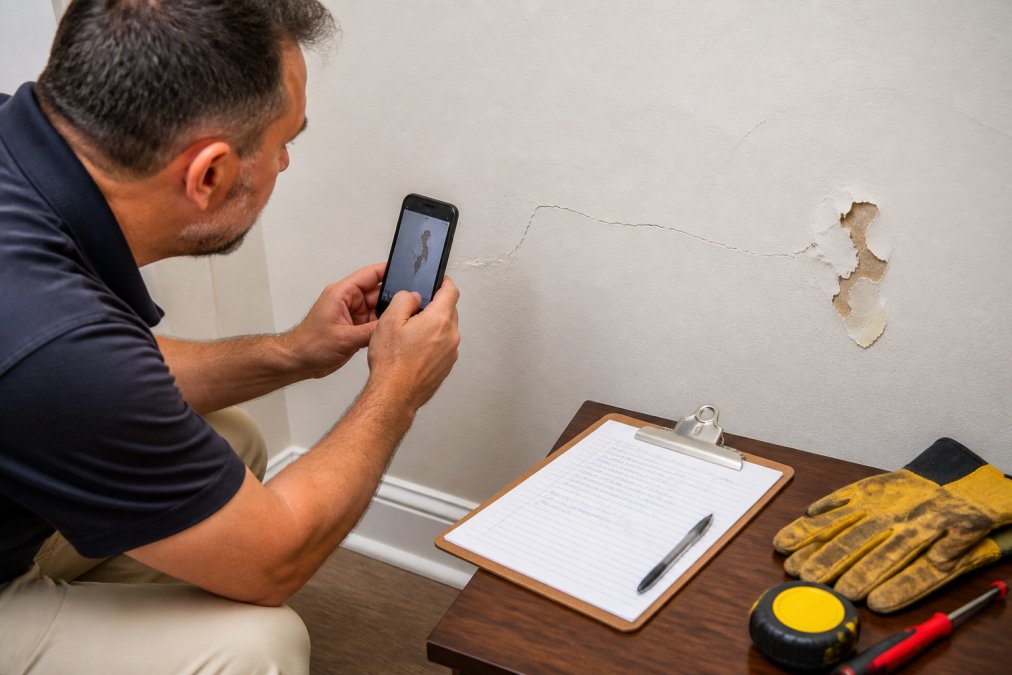
Documenting a Warranty Claim Step by Step
- Photograph and date every defect. Use your smartphone's timestamp feature. Capture wide shots showing location and close-ups showing the specific defect.
- Review your written contract. Identify the exact warranty language, the duration, and the required claim process.
- Send written notice to the contractor. Email is ideal because it creates a timestamped record. Describe the defect, reference the warranty clause, and request a site visit within 10-14 business days.
- Document all communications. Keep every email, text, and voicemail. Follow up phone conversations with an email summary.
- Get a second opinion in writing. A written assessment from a licensed third-party inspector strengthens your position significantly.
- Escalate through formal channels if needed. File a complaint with your state's contractor licensing board, the Better Business Bureau, or pursue mediation before going to civil court.
Homeowner Checklist: Protecting Yourself Before and After the Job
Before Signing the Contract:
- Confirm the contractor is licensed and bonded in your state
- Verify the contractor carries general liability insurance and workers' compensation
- Request the warranty terms in writing, including duration, scope, and remedy process
- Clarify whether the warranty covers subcontractor work
- Ask whether the warranty is transferable if you sell the home
- Confirm whether manufacturer warranties on materials are assigned to you at project completion
- Identify the start date of the warranty period
During the Project:
- Photograph work at each major stage
- Keep a written log of any verbal changes or agreements made on-site
- Ensure all change orders are documented in writing before work proceeds
At Project Completion:
- Conduct a formal walkthrough and document any punch list items in writing
- Confirm all punch list items are resolved before releasing final payment
- Request copies of all manufacturer warranty documents for materials installed
- Store your contract, warranty documents, and completion photos in a single digital folder
Cloud storage with organized folders by project and date ensures you'll have everything accessible if a dispute arises later. Warranty transferability is another angle most homeowners overlook until they're selling, ask your contractor upfront whether coverage transfers to the new owner.
Summary: Contractor Warranty at a Glance
| Topic | What to Know |
|---|---|
| Express warranty | Written or verbal, must be specific to be enforceable |
| Implied warranty | Exists by law even without a written clause |
| Typical duration | 1 year for workmanship; longer for structural or specialty work |
| Common exclusions | Wear and tear, homeowner modifications, acts of nature |
| If contractor closes | Check bonding, state recovery funds, and implied warranty rights |
| Dispute resolution | Document first, communicate in writing, escalate if unresolved |
| Transferability | Rarely automatic, must be stated explicitly in the contract |
A contractor warranty is only as strong as the documentation behind it. Understanding the difference between express and implied warranties, knowing what your contract actually says, and following a clear claim process puts you in a far stronger position than most homeowners ever realize.
Superior Painting and Remodeling LLC approaches every project with transparency about scope, timeline, and what happens if something isn't right. With an A+ BBB rating and a commitment to honest craftsmanship across Middle Tennessee, the team provides the kind of pressure-free experience where warranty conversations happen before the work starts, not after a problem surfaces. Call for your estimate and get clear answers about project scope and coverage from the start.
Frequently Asked Questions
Do contractors have to give a warranty by law?
Federal law does not mandate a written contractor warranty, but most states impose an implied warranty of workmanship on construction and renovation work. Some states also have statutes of repose that set a hard deadline for filing construction defect claims, typically ranging from four to ten years. Always request a written warranty regardless, because a written agreement is far easier to enforce than an implied one if a defect surfaces after project completion.
What is the difference between a workmanship warranty and a manufacturer warranty?
A workmanship warranty covers installation errors and labor defects caused by the contractor. A manufacturer warranty covers material failure in the product itself, such as a paint that peels due to a formulation defect or a tile that cracks because of a production flaw. If a product fails, you typically file a claim with the manufacturer, not the contractor. If the installation caused the failure, the contractor's workmanship warranty applies. Both documents should be kept on file after any renovation project.
How long should a standard contractor warranty last?
One year is the most common contractor workmanship warranty length for general renovation work, including painting and remodeling. Structural work often carries longer coverage, sometimes two to ten years depending on the scope and state law. Some contractors offer extended warranties as part of their written agreement. Always confirm the exact warranty period in writing before signing a contract, and ask specifically whether the period starts at project completion or at a final inspection date.
How do I enforce a contractor warranty if the work is defective?
Start by documenting the defect with dated photographs and written notes describing what failed and when you noticed it. Send a formal written notice to the contractor by certified mail, referencing the warranty clause in your contract and the specific remedy you are requesting. Give the contractor a reasonable window to respond and repair. If they refuse, your options include filing a complaint with your state contractor licensing board, pursuing dispute resolution through mediation, or taking the matter to small claims court depending on the dollar amount involved.
This article was written using GrandRanker